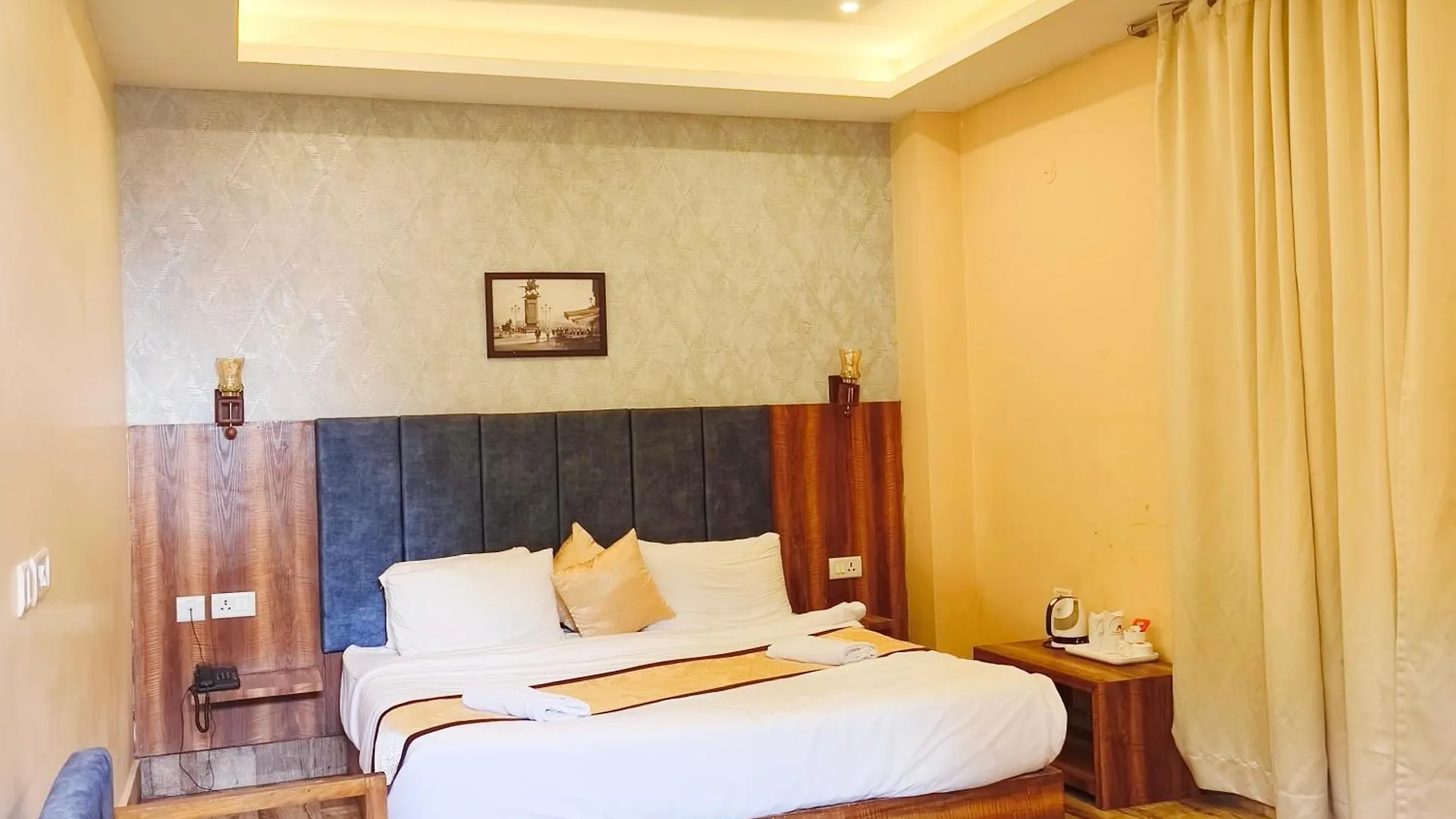
Sikkim sits in the eastern Himalayas and draws travelers with its Buddhist monasteries, high-altitude lakes like Tsomgo, and the dramatic backdrop of Kanchenjunga - the world's third-highest peak. Whether you're basing yourself in Gangtok for permit logistics or heading to Pelling for mountain panoramas, choosing the right 3-star hotel here means balancing mountain views, road access, and practical amenities in a region where infrastructure varies significantly by altitude and location.
What It's Like Staying in Sikkim
Sikkim is a small, permit-regulated state where most tourist movement flows through two hubs: Gangtok, the capital and logistics center for North and East Sikkim, and Pelling, the gateway to West Sikkim's monasteries and Kanchenjunga viewpoints. Roads are mountain highways - winding, scenic, and occasionally disrupted by landslides during monsoon season, which runs from June to September. Most sightseeing requires hired taxis or shared jeeps, as public transport is limited and walking between attractions is rarely practical outside town centers.
Travelers who want organized trekking permits, reliable connectivity, and proximity to markets benefit most from Gangtok. Those prioritizing mountain views and a quieter atmosphere are better served by Pelling, though Pelling has fewer dining options and a more limited nightlife. Around 80% of domestic tourists visit between October and December, so accommodation fills quickly during this window.
Pros:
- Direct views of Kanchenjunga from Pelling hotels, especially at sunrise
- Gangtok offers easy access to permit offices, markets, and MG Marg pedestrian zone
- Sikkim's strict environmental regulations keep the region cleaner than most Himalayan tourist destinations
Cons:
- Road travel between Gangtok and Pelling takes around 4 hours by taxi on mountain roads
- Landslides and road closures during monsoon season can disrupt travel plans significantly
- Altitude above 1,500 meters means some travelers experience mild acclimatization symptoms on arrival
Why Choose 3-Star Hotels in Sikkim
In Sikkim, 3-star hotels occupy a practical middle ground between basic guesthouses - which often lack reliable hot water and WiFi - and the handful of upscale resorts that charge a significant premium for amenities that don't always match the price in this region. A 3-star property here typically delivers en-suite bathrooms, flat-screen TVs, room service, in-house restaurants serving local and multi-cuisine menus, and mountain or garden views depending on position. Pricing at this tier in Pelling generally runs lower than comparable properties in Gangtok, reflecting the smaller tourist footfall in West Sikkim.
The trade-off is that 3-star standardization is less consistent in Sikkim than in metropolitan India - room sizes and facility quality can vary considerably between properties even within the same star rating. Fitness centers and spas, when present, are typically basic. However, for travelers prioritizing views, local food access, and tour-organizing support over luxury finishes, 3-star hotels deliver the best practical value in this mountain destination.
Pros:
- In-house restaurants reduce the challenge of finding dinner options in remote areas like Pelling after dark
- Most 3-star properties in Sikkim include breakfast, reducing daily food logistics
- Organized tour services offered at the hotel level save significant time with permit and transport arrangements
Cons:
- Room quality within the 3-star category varies widely - always check recent guest photos before booking
- Spa and fitness facilities, when listed, are often minimal compared to urban Indian 3-star standards
- Some properties are built on steep terrain, making access from the road or within the property physically demanding
Practical Booking & Area Strategy
Gangtok and Pelling serve very different traveler needs, and choosing between them depends on your Sikkim itinerary. Gangtok is the administrative hub where Inner Line Permits for restricted areas are processed - staying here at the start of your trip is strategically sound. The MG Marg pedestrian zone, Enchey Monastery, and Rumtek Monastery are all accessible within a short taxi ride. Pelling, positioned at around 2,150 meters, offers unobstructed Kanchenjunga views and is the base for Pemayangtse Monastery, Rabdentse Ruins, and Khecheopalri Lake - sites that require a full day and are best explored from a local base rather than as day trips from Gangtok.
Book at least 6 weeks in advance for October to December travel, as this is peak season for both domestic and international visitors and Pelling's smaller hotel inventory fills fast. Bagdogra International Airport in West Bengal serves as the main air gateway, located around 135 kilometers from both Gangtok and Pelling - shared taxis and hotel shuttle services are the standard transfer options. For travelers combining both towns, positioning Gangtok first and Pelling second logically aligns with the permit and sightseeing flow of most Sikkim itineraries.
Best Value Stays
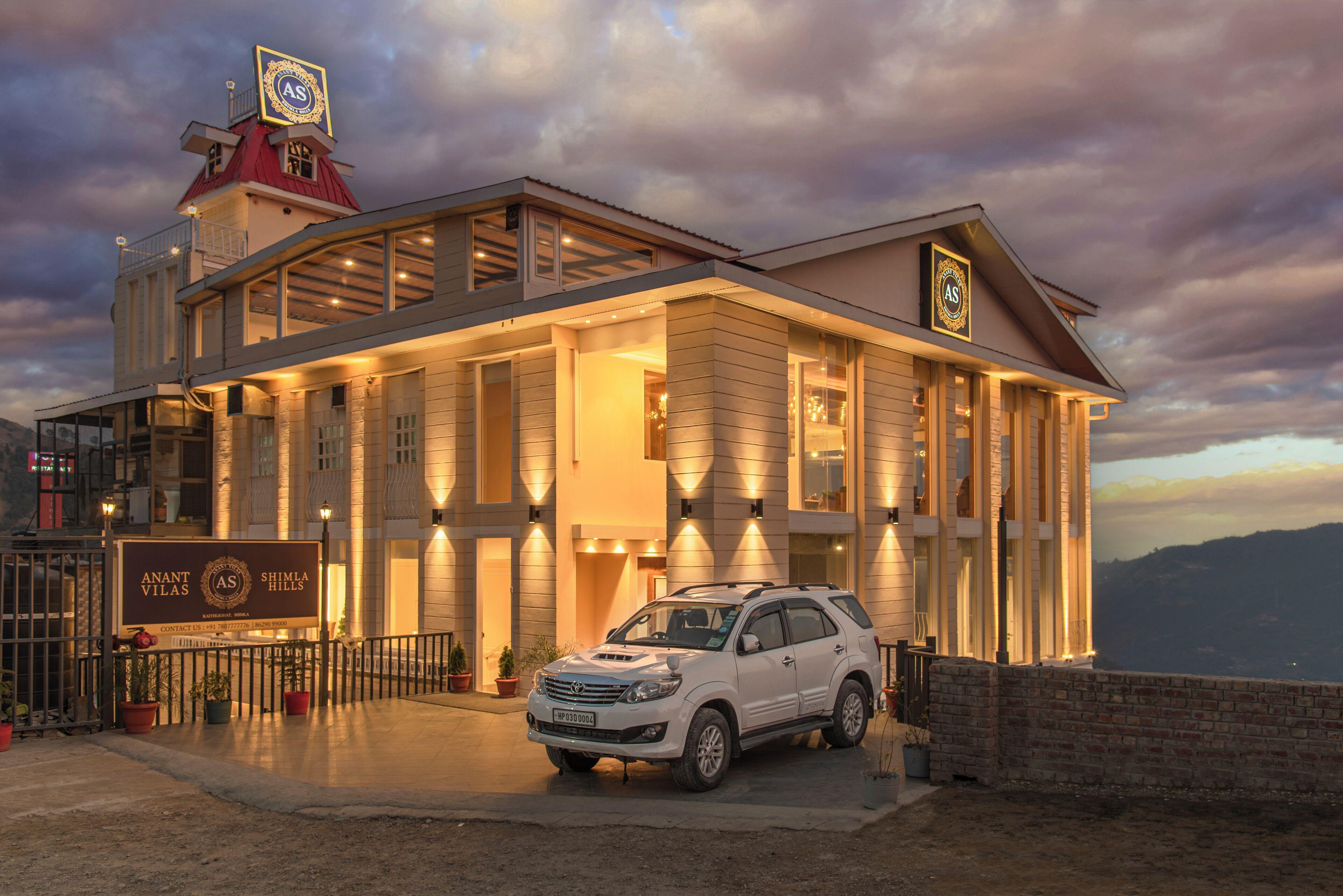
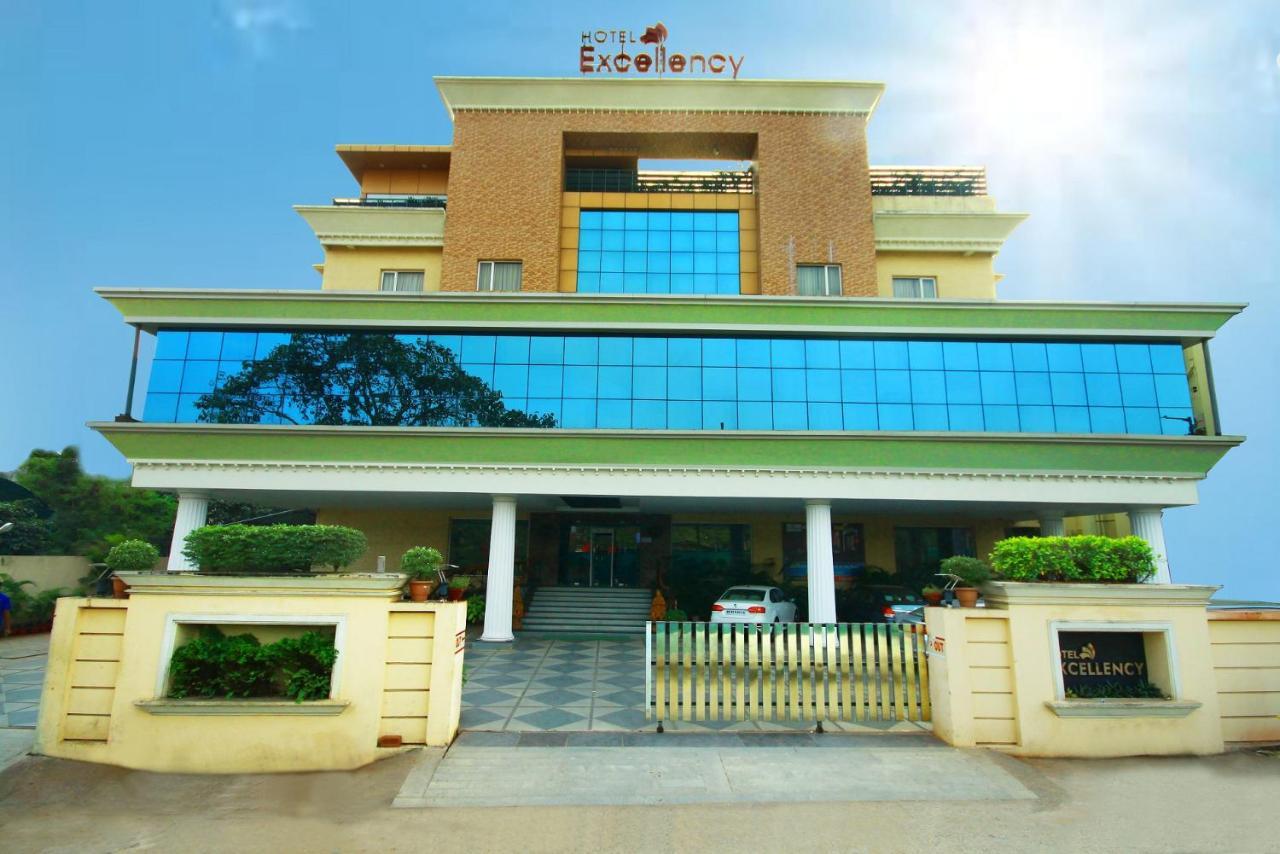
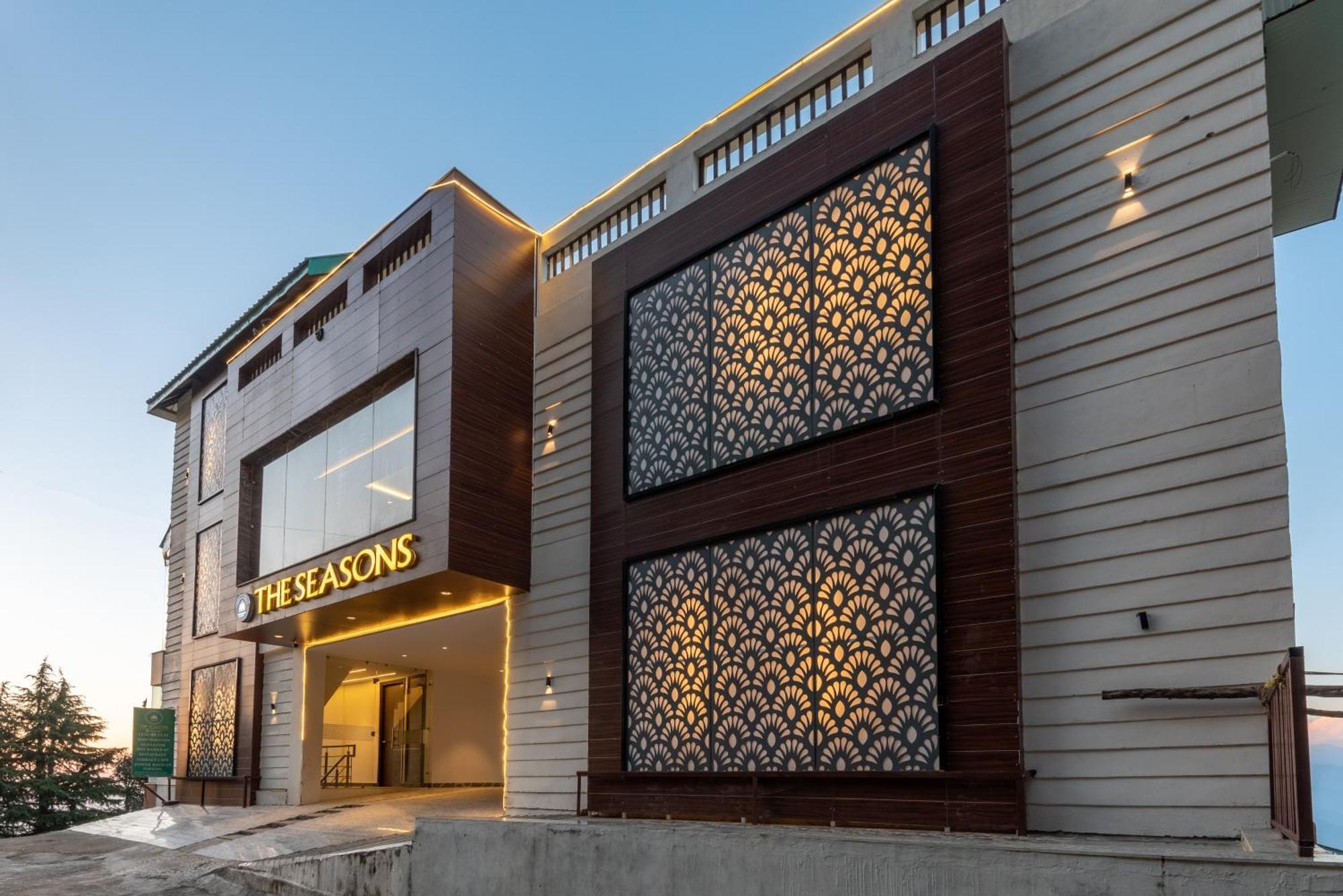
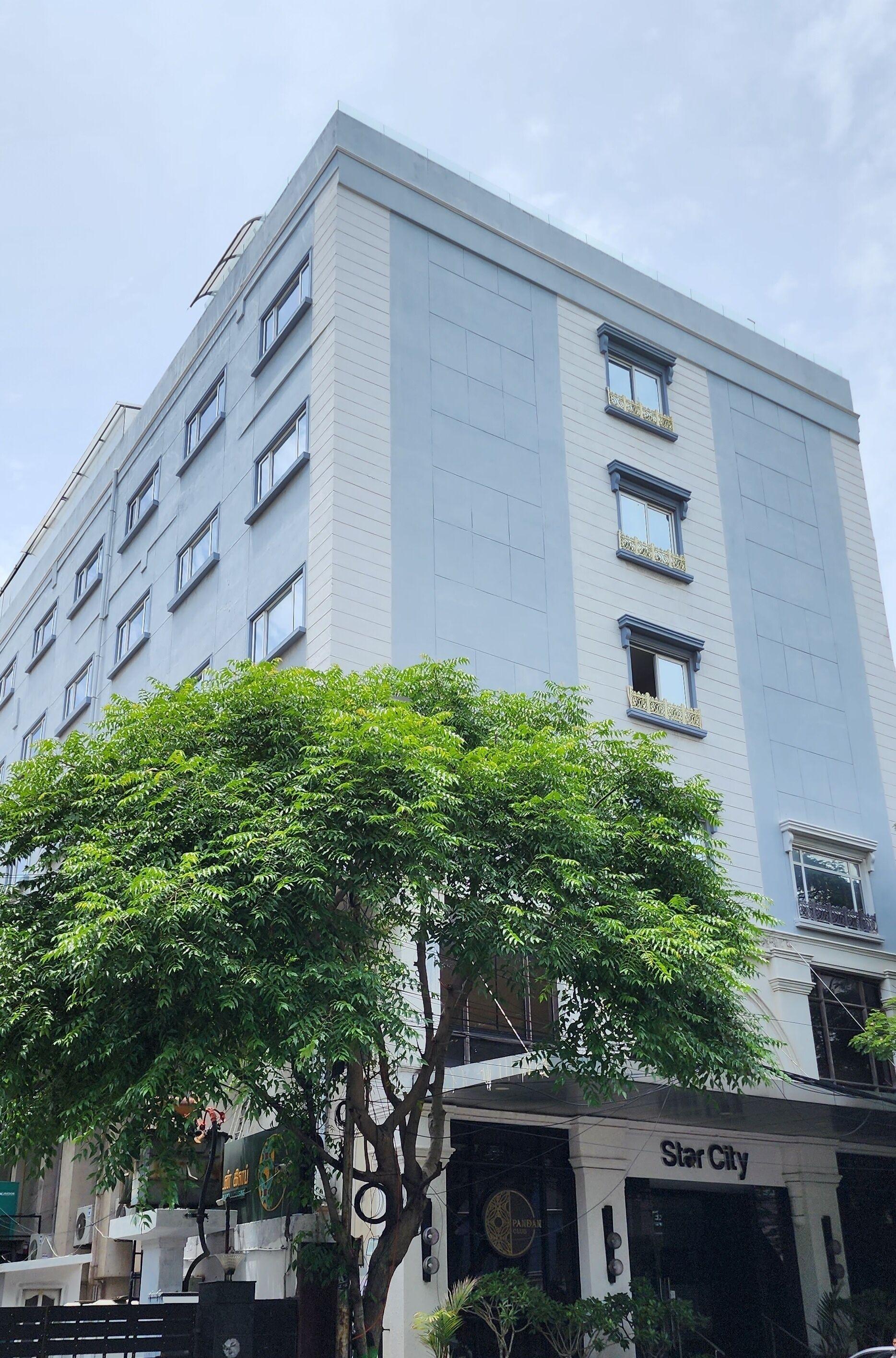
These 3-star properties in Pelling and Gangtok offer strong practical value for travelers focused on mountain access, in-house dining, and core facilities without paying a resort premium.
-
1. Aurora Gangtok
Show on map


 Check-infrom 13:00 until 23:00Check-outuntil 11:00
Just a few rooms left at the best rate!
fromINR 3507
-
2. Sikkim Tourist Centre
Show on map


 Check-infrom 14:00 until 23:59Check-outuntil 11:00
Just a few rooms left at the best rate!
fromINR 7299
-
3. Rufina Palm Bliss
Show on map


 Check-infrom 12:00 until 22:00Check-outfrom 06:00 until 10:00
Hurry – almost gone at this price!
fromINR 5782
Best Premium Stay
For travelers looking for more complete facilities including a spa, fitness center, and organized shuttle service in Pelling, this property stands above the standard 3-star offer in West Sikkim.
-
4. Hotel Golden Sunrise & Spa
Show on map


 Check-infrom 12:00Check-outuntil 12:00
Rooms filling fast – secure the best rate!
fromINR 4739
Smart Travel & Timing Advice for Sikkim
October to December is the clearest and most crowded window for Sikkim travel - post-monsoon skies deliver the best Kanchenjunga visibility from Pelling and the most reliable road conditions across the state. March to May is the secondary peak, when rhododendrons bloom and temperatures are moderate, but crowds are smaller and prices slightly lower than the autumn peak. The monsoon months of June through September bring frequent landslides, especially on the Jorethang-Pelling road, and several mountain roads close entirely - avoid this window unless flexibility is built into your plans.
For Pelling specifically, a stay of 2 nights is the practical minimum to cover Pemayangtse Monastery, Khecheopalri Lake, and the Rabdentse Ruins without rushing. Gangtok warrants at least 2 nights as well, particularly if you're adding a day excursion to Tsomgo Lake and Baba Mandir. Book Pelling hotels at least 6 weeks ahead during October and November - the town has a small total room inventory and fills completely during Diwali and long weekends when domestic travel from Kolkata and Siliguri surges.