Arizona is one of the American Southwest's most geographically dramatic states, where red canyon walls, Navajo Nation lands, and historic rail towns create a travel landscape unlike anywhere else in the country. These four boutique-style hotels are positioned across key destinations - from Chinle near Canyon de Chelly to Tusayan at the Grand Canyon South Rim - giving travelers a grounded, character-driven base for exploring some of the most visited natural landmarks in the United States.
What It's Like Staying in Arizona
Arizona is defined by its extreme contrasts: scorching desert floors, mile-deep canyon systems, and elevation-cooled forests all within a few hours of driving. Distances between key attractions are vast, with most points of interest separated by at least 100 km of open highway, which means your hotel's location directly determines what you'll realistically see. The state draws heavily from Indigenous cultural heritage, particularly across the Navajo Nation in the northeast, and visitors who base themselves in smaller towns like Chinle or Tuba City gain access to cultural experiences unavailable in larger Arizona cities. Peak season runs through spring and fall, when the Grand Canyon receives its highest visitor volumes and accommodation fills weeks in advance.
Pros:
- Unmatched access to multiple UNESCO-listed and federally protected landscapes within a single road trip circuit
- Boutique and character hotels in smaller Arizona towns often sit directly adjacent to national monument entrances, cutting out long daily drives
- The Navajo Nation corridor - covering Chinle, Tuba City, and Canyon de Chelly - offers a cultural depth that resort-heavy destinations in Arizona cannot replicate
Cons:
- Public transportation between Arizona's key natural sites is essentially nonexistent - a rental car is not optional, it is mandatory
- Remote hotel locations mean limited dining and nightlife options beyond what is offered on-site
- Summer temperatures in low-elevation areas regularly exceed 40°C, making outdoor activities uncomfortable and sometimes dangerous midday
Why Choose Boutique Hotels in Arizona
Boutique hotels in Arizona tend to occupy a niche that large chain properties cannot: proximity to remote natural and cultural landmarks, regional architectural character, and on-site dining that reflects the surrounding food culture - from Southwestern fare to Native American cuisine. Rates at boutique properties near the Grand Canyon can run around 30% lower than full-service resort hotels on the South Rim itself, while still offering restaurant access and curated local experiences. Room sizes in character-driven properties across rural Arizona are typically functional rather than spacious, but the trade-off is a location advantage that eliminates costly and time-consuming daily transfers from larger cities like Flagstaff or Sedona.
Pros:
- On-site restaurants at boutique hotels in the Navajo Nation and Grand Canyon corridor serve regionally specific cuisine not available at standard chain properties
- Positioning in towns like Williams or Chinle puts guests within walking distance of historic sites and trailheads that large hotel clusters in Phoenix or Scottsdale cannot offer
- Boutique hotels in Arizona's smaller gateway towns typically include free parking, removing the logistical friction of navigating national park shuttle systems from distant accommodations
Cons:
- Limited room inventory means availability disappears quickly during spring and fall peak periods - booking windows of around 6 weeks in advance are often necessary
- Amenity sets tend to be functional rather than luxury-tier, with fitness centers and pools present but not resort-caliber
- Nighttime activity around boutique properties in gateway towns like Tusayan or Williams is limited compared to urban Arizona stays in Scottsdale or Tempe
Practical Booking & Area Strategy for Arizona
The key strategic decision when booking boutique hotels in Arizona is choosing your geographic anchor point based on which landmark cluster you prioritize. Williams serves as the most efficient base for Grand Canyon Railway access, sitting 50 km from Flagstaff and connected to the South Rim by the historic Grand Canyon Railway - a practical transport option that bypasses the park's increasingly congested road approach. For the Navajo Nation circuit, Chinle and Tuba City are the two towns with real lodging infrastructure; Chinle positions you directly at Canyon de Chelly, while Tuba City functions better as a waypoint between the Grand Canyon and Monument Valley. Tusayan, just 3 km from Grand Canyon National Park Airport and 10 km from the South Rim's south entrance, is the most convenient landing point for fly-in visitors. Spring (March through May) and fall (September through October) are Arizona's high-demand windows for canyon country - crowds at the Grand Canyon South Rim peak sharply in summer despite the heat, while the Navajo Nation corridor remains quieter year-round. Popular activities across the state include guided canyon hikes along the Bright Angel Trail, Jeep tours into Canyon de Chelly, stargazing in the dark-sky zones of the Colorado Plateau, and driving historic Route 66 through Williams.
Best Value Boutique Stays
These properties deliver strong location advantages and regional character at accessible price points, making them the practical choice for travelers prioritizing access to Arizona's Navajo Nation and canyon landmarks without paying premium South Rim rates.
-
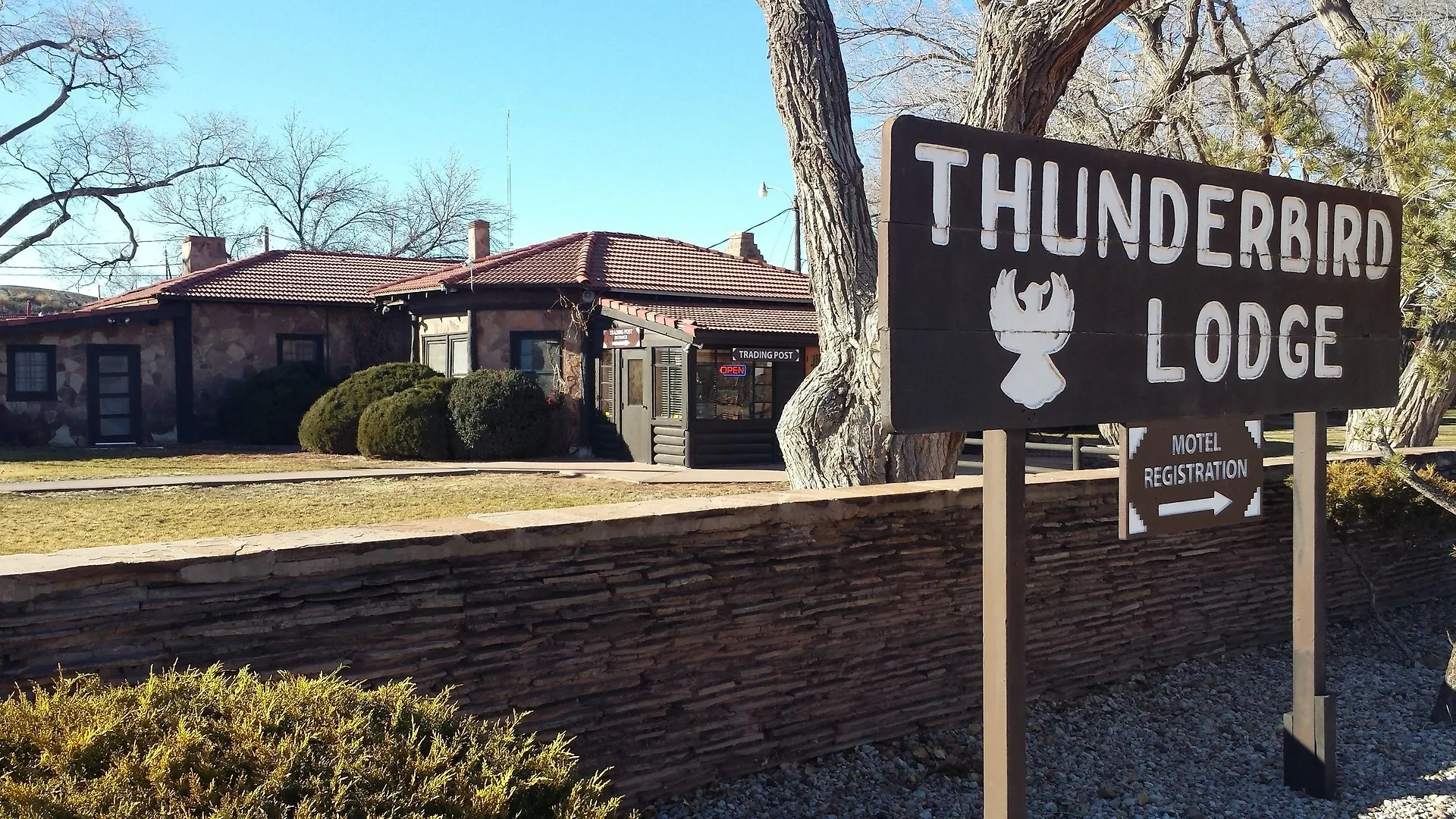
1. Thunderbird Lodge
Show on map


 Check-infrom 15:00 until 23:59Check-outuntil 11:00
Just a few rooms left at the best rate!
fromUS$ 60
-
2. Navajoland Hotel
Show on map


 Check-infrom 15:00 until 23:59Check-outuntil 11:00
Just a few rooms left at the best rate!
fromUS$ 85
Best Premium Boutique Options
These two properties offer broader amenity sets, multi-dining options, and stronger positioning for Grand Canyon-focused itineraries - making them the top picks for travelers who want more on-site infrastructure and a character-driven experience near Arizona's most iconic landmark.
-
3. Grand Canyon Plaza Hotel-South Rim
Show on map


 Check-infrom 15:00 until 23:59Check-outuntil 11:00
Hurry – almost gone at this price!
fromUS$ 109
-
4. Grand Canyon Railway Hotel
Show on map


 Check-infrom 16:00 until 23:59Check-outuntil 11:00
Rooms filling fast – secure the best rate!
fromUS$ 114
Smart Travel & Timing Advice for Arizona
The optimal window for boutique hotel stays across Arizona's canyon country runs from mid-September through early November, when temperatures drop to manageable levels, the Grand Canyon's inner canyon trails are safely hikeable, and accommodation rates begin to soften from their summer-peak highs. March and April represent Arizona's second-busiest booking period, driven by spring break travel and mild rim temperatures - hotels in Tusayan and Williams fill weeks in advance during these months. Summer visits (June through August) are viable only for rim-level activities at the Grand Canyon or early-morning canyon tours in Chinle; midday temperatures below the rim regularly exceed 38°C, making extended hikes medically risky. For the Navajo Nation corridor - Chinle and Tuba City - crowd density is significantly lower year-round compared to the Grand Canyon cluster, making last-minute bookings more realistic outside of summer. A minimum of two nights in any single location is strongly recommended: Arizona's distances mean that one-night stops waste substantial driving time that could be spent at the landmark itself. Booking directly through the hotel websites often unlocks free parking inclusions and flexible cancellation terms that aggregator platforms do not always surface.