Sikkim sits at the intersection of Himalayan wilderness and Buddhist culture, bordered by Nepal, Tibet, and Bhutan - making it one of India's most geographically dramatic and logistically distinct destinations. This guide covers the 4 best hotels in Sikkim across Gangtok and Pelling, with practical insights on location, value, and timing to help you book with confidence.
What It's Like Staying in Sikkim
Sikkim is India's least populous state and one of its most ecologically protected - around 35% of the state is covered by Kanchenjunga National Park, which directly shapes where you can stay and how you move around. Transport is almost entirely road-based: winding mountain highways connect Gangtok (the capital) with towns like Pelling, Namchi, and Lachung, and drive times between key areas can easily exceed 3 hours even for relatively short distances. Permits are required for many zones, including North Sikkim and border areas, which must be factored into your itinerary before booking. The region draws trekkers, Buddhist pilgrimage travelers, and nature-focused visitors rather than party tourists, so the atmosphere is calm but infrastructure can be limited at higher altitudes.
Pros:
- Spectacular mountain scenery with views of Kanchenjunga, the world's third-highest peak, accessible from multiple stay locations
- Low tourist density compared to Darjeeling or Manali, especially outside the April-June peak window
- Gangtok offers reliable connectivity, ATMs, and organized transport hubs making it a practical base for exploring the wider state
Cons:
- Road closures during monsoon season (July-September) can disrupt inter-district travel significantly
- Very limited airport options - Pakyong Airport handles small aircraft only, and most travelers arrive via Bagdogra, roughly 115-130 km away depending on your hotel
- Some popular areas like Tsomgo Lake and Gurudongmar Lake require restricted area permits that take time and planning to obtain
Why Choose a Hotel in Sikkim
Hotels in Sikkim span from basic guesthouses to certified 5-star properties, but the range is narrower than in mainstream Indian hill stations - which actually works in the traveler's favor by keeping quality floors reasonably high. In Gangtok, mid-range hotels are strongly positioned around MG Marg and Tadong, offering mountain views and easy access to local transport. In Pelling, hotels skew toward scenic view properties, where a west-facing room can deliver unobstructed Kanchenjunga panoramas at dawn. Prices in Sikkim hotels tend to spike around 40% during April-May (cherry blossom and clear-sky season) and again in October-November (post-monsoon clearance). Room sizes in Pelling properties tend to be more generous than Gangtok city-center options, where space is compressed by the hillside terrain.
Pros:
- Hotels with mountain-view rooms in Pelling offer genuinely rare Kanchenjunga sightlines not replicated elsewhere in India
- Gangtok hotels are within walking distance of key sites like Enchey Monastery and MG Marg pedestrian zone, reducing transport dependency
- Even 3-star properties in Sikkim routinely include breakfast and free parking, which is uncommon at the same price point in metros
Cons:
- Hot water and heating reliability can vary significantly at higher-altitude properties during winter months
- Hotels near Pelling's main road can face construction noise as tourism infrastructure expands
- Luxury options remain limited outside Gangtok, with only a handful of full-service 5-star properties in the entire state
Practical Booking & Area Strategy in Sikkim
Gangtok is the strongest base for first-time visitors to Sikkim: it has the most reliable accommodation supply, the only functional commercial airport at Pakyong (about 20 km away), and direct shared jeep routes to North Sikkim, Tsomgo Lake, and Rumtek Monastery. Pelling, roughly 130 km west of Gangtok, is better suited to travelers whose priority is Kanchenjunga views and access to Rabdentse Ruins, Pemayangtse Monastery, and the Khecheopalri Lake circuit. Book at least 6 weeks in advance for the April-May window and the October-November post-monsoon period, as quality rooms in both Gangtok and Pelling fill quickly with domestic tourists from West Bengal and Bihar. If you're combining both towns, a 3-night split (2 nights Gangtok, 2 nights Pelling) covers the state's key highlights without requiring rushed drives on mountain roads. Note that the Gangtok-Pelling highway passes through Ravangla, a worthwhile stop for the Buddha Park at Namchi.
Best Value Hotels in Sikkim
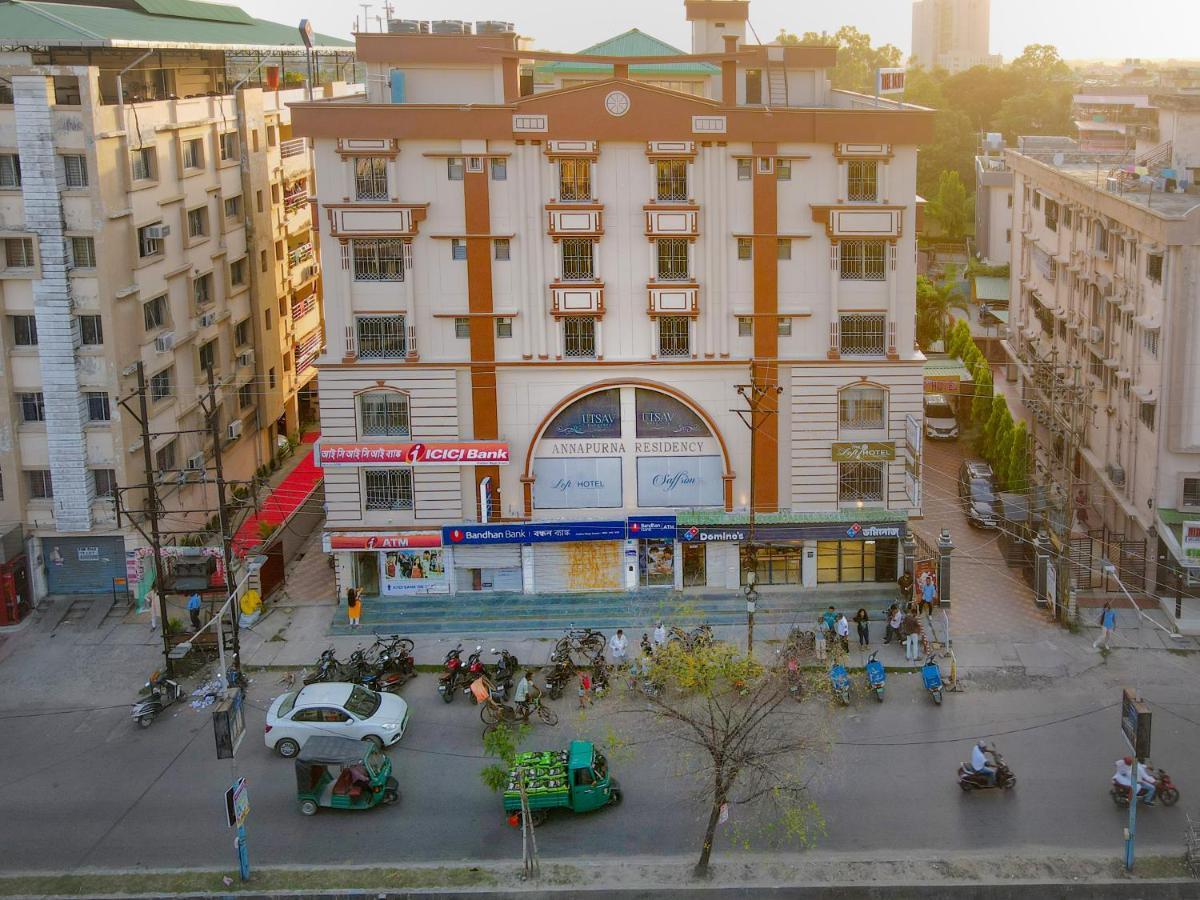
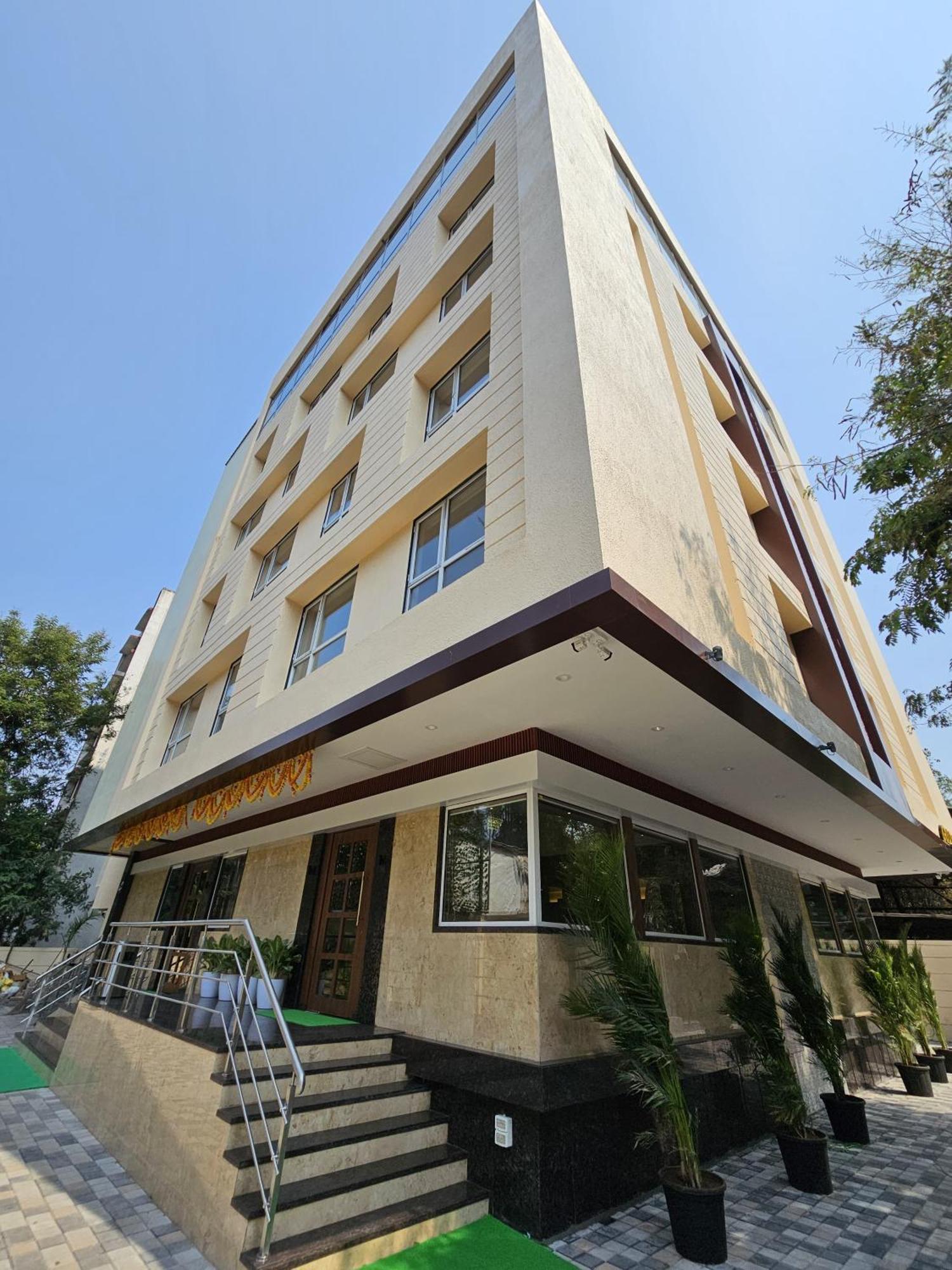
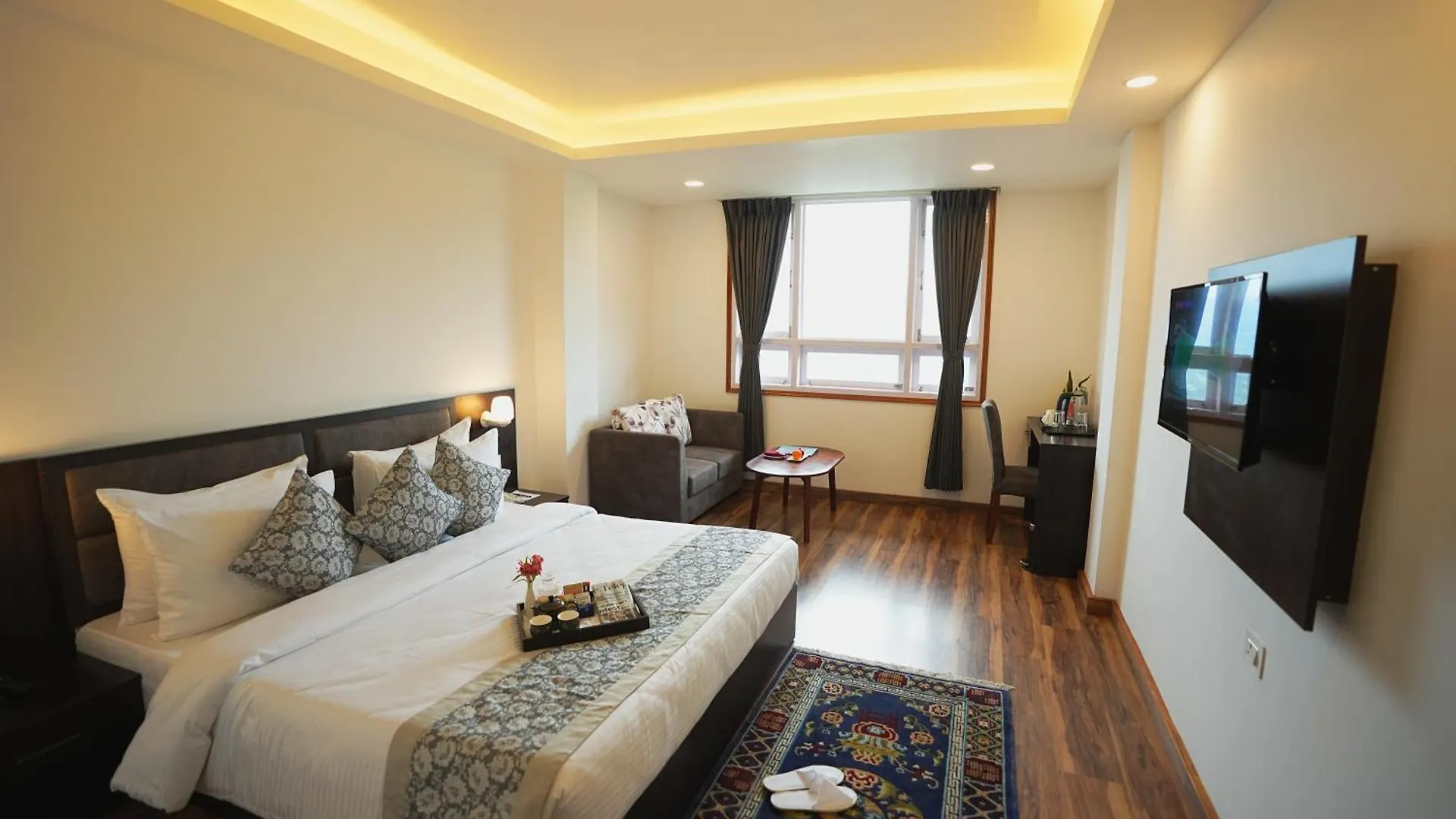
These properties in Gangtok and Pelling offer strong value for travelers seeking reliable amenities, mountain access, and practical facilities without committing to premium pricing.
-
1. Cilantro Comfort
Show on map


 Check-infrom 13:00 until 23:59Check-outuntil 12:00
Just a few rooms left at the best rate!
fromINR 4860
-
2. Sikkim Tourist Centre
Show on map


 Check-infrom 14:00 until 23:59Check-outuntil 11:00
Just a few rooms left at the best rate!
fromINR 7338
-
3. Rufina Palm Bliss
Show on map


 Check-infrom 12:00 until 22:00Check-outfrom 06:00 until 10:00
Hurry – almost gone at this price!
fromINR 5813
Best Premium Hotel in Sikkim
For travelers seeking full-service amenities and resort-level comfort within reach of Gangtok, this 5-star property stands apart from anything else currently available in the state.
-
4. Vivanta Sikkim Pakyong
Show on map


 Check-infrom 14:00 until 23:59Check-outuntil 12:00
Rooms filling fast – secure the best rate!
fromINR 16201
Smart Travel & Timing Advice for Sikkim
October and November are the optimal months to visit Sikkim: post-monsoon skies deliver the clearest Kanchenjunga views, temperatures are cool but manageable, and road conditions have recovered from the July-September landslide season. April and May run a close second, coinciding with rhododendron blooms across lower elevations and reliable pre-monsoon visibility. Avoid June through September for Pelling and North Sikkim specifically - landslides on the NH10 and NH510 corridors can strand travelers for days. In Gangtok, the monsoon impact is somewhat less severe, and the city remains navigable, though trekking routes close. Plan a minimum of 4 nights to cover Gangtok's key sites (Rumtek, Tsomgo, MG Marg) and make a Pelling excursion viable without rushed single-day drives. Last-minute bookings during peak season (October and April-May) are risky - premium rooms at properties like Vivanta Sikkim Pakyong and mountain-view rooms in Pelling can sell out weeks in advance through domestic travel platforms. Budget and mid-range hotels in Gangtok have more availability year-round, but don't assume flexibility during festival periods like Losar (Tibetan New Year, usually February) or Saga Dawa (May-June).