- Unconscious schemas help us sort the world, yet limit expectations and opportunities.
- Internet2 Gender Diversity Intitiative is helping to revise those schemas.
- Join groups like the Society of Women Engineers (SWE) to increase diversity.
This summer, I attended a cybersecurity workshop and asked a question about the virtualization technologies a session presenter was using. With very tentative body language, he started to answer my question, but stopped short and said, “Well I’m trying not to get too technical.”
Seriously?
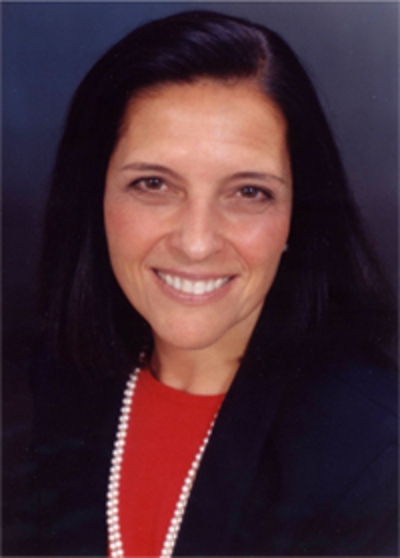
As an aerospace and mechanical engineer, I have worked at on solar power satellites and the space shuttle program; at NASA on future missions around Jupiter; at IBM for 33 years in roles including VP, CTO, and director; and now as senior VP and chief innovation officer at . However, I was gracious and said, “That’s OK, I can handle it.” Then I asked a more direct question regarding VMs or containers to set the tone, so he proceeded.
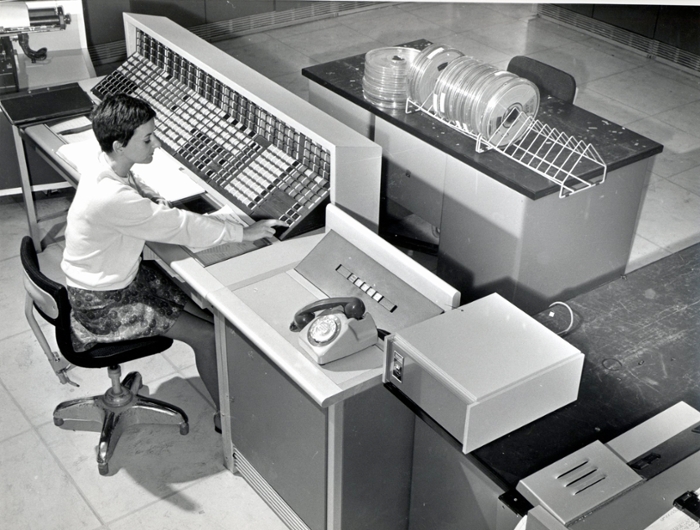
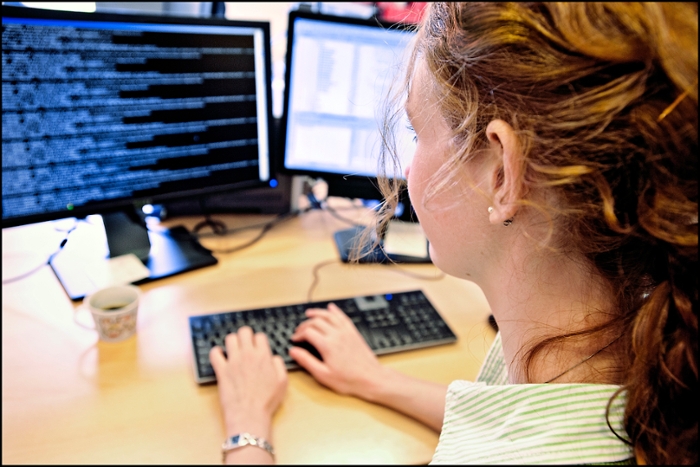
Many factors are at play with the lack of women in technology. Some of it starts when we are young, when women and girls are not expected to be technical. Actually, at any age, women are not expected to be technical, even by other technical leaders. The issue at play in this particular scenario was unconscious bias, an expectation based on a norm that this speaker had seen or experienced before.
In October, Internet2 hosted a panel and presentation on 'unconscious bias' at the in Cleveland, Ohio, US. Panelist and board member said unconscious bias occurs because we have schemas in our brain to process lots of information. Without time to figure everything out, we take shortcuts that can make us miss things or group things.
The issue isn’t that men are bad and evil: It’s that we are bombarded with information. At the same time, unconscious bias, though unintentional, has consequences — and it limits diversity in our industry. This is likely why the presenter at the cybersecurity conference made an assumption that I couldn’t follow very technical information.
This is something we must address in order to be more inclusive and build stronger, more effective teams to problem solve and push boundaries in technology.
The Unconscious Bias panel and presentation was a lively, positive, and real discussion about women in technology. We hope to raise awareness of issues like unconscious bias to help the community do what’s right: leverage all the great talent we can find to define, develop, and deliver world-changing innovations.
We need to be committed to building a more gender-balanced pipeline earlier — in high school and college. Internet2 is working to build this pipeline through scholarships to events including our Technology Exchange and our annual Global Summit. We recently , which provide scholarships to women in IT and spotlight their efforts to use technology to serve the faculty, staff, and students of the institution.
Internet2 has also partnered with the a community of 34,000 women and some men in Science, Technology, Engineering, and Math (STEM) fields. We provide free memberships to technical professionals at universities that belong to the Internet2 community. Through these, we have created a SWE@Internet2 community of women and men looking to further their professional development.
This community can support each other through in-person community meetings at Internet2 events like TechEx and the . They can also take advantage of great SWE programming like webinars, regional conferences, and the annual conference in Nashville in October. The 2015 SWE conference expects to host 9,000 engineers — mostly women — who will support each other and build their skills in leadership and technical aspects of their careers, while networking with many inspiring role models.
These events are a great place for men as well. I moderated a SWE annual conference panel on 'Men as Diversity Partners.' It’s wonderful to see men (who have most of the power in business and technical fields) supporting the development and success of women in technical and leadership roles. Here’s why:

At that conference, I hosted a male vice president from the research community who was slated to serve as a Men as Diversity Partners panelist. As we walked down the aisle at the convention center, surrounded by 6,000 women engineers, he looked at me with concern. I asked what was wrong, and he said he felt … funny … different. Then he said, “This must be the way you feel all the time.”
I nearly cried.
Then he asked me, “Does it get better?”
I answered honestly, “No, you just get used to it.”
He got it. And that was amazing.
I encourage you to attend industry events with organizations committed to changing this, to understand all perspectives of this issue, to see the incredibly collaborative and supportive environment of the men and women who will make the world better some day for you and me. Engineers and scientists build, secure, and fix our physical and digital worlds. Let’s always support these talented men AND women — it benefits us all when they are confident and great.