
- Ultra-fast exascale computing will be in operation by the mid-2020s
- Faster computation opens complex research problems to new solutions
- SPPEXA is acting now to solve coming need for exascale software
Who will get the first exascale machine – a supercomputer capable of 10^18 floating point operations per second? Will it be ?
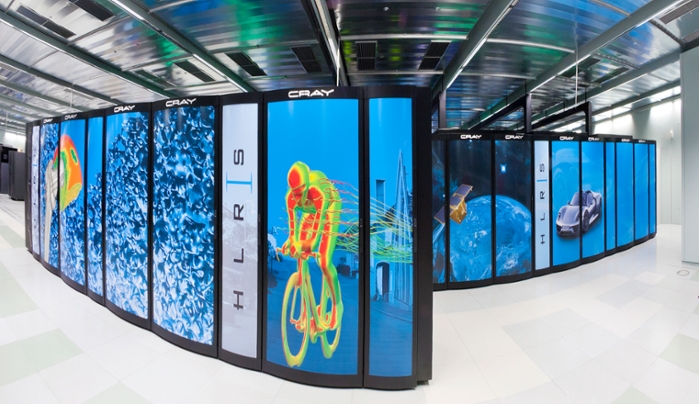 Researchers around the world are excited because these new, ultra-fast computers represent a 50- to 100-fold increase in speed over today’s supercomputers and promise significant breakthroughs in many areas. That exascale supercomputers are coming is pretty clear. We can even predict the date, most likely in the mid-2020s. But the question remains as to what kind of software will run on these machines.
Exascale computing heralds an era of ubiquitous , in which processors perform coordinated computations simultaneously. But the number of processors will be so high that computer scientists will have to constantly cope with failing components.
The high number of processors will also likely slow programs tremendously. The consequence is that beyond the exascale hardware, we will also need exascale brains to develop new algorithms and implement them in exascale software.
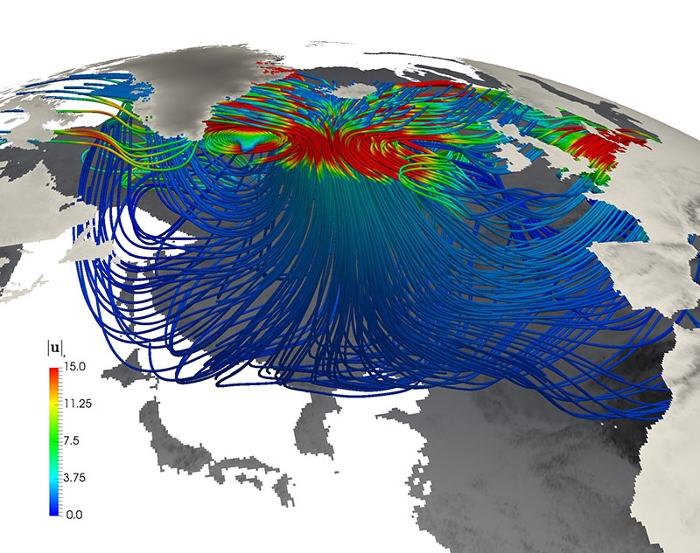 In 2011, the established a priority program “Software for Exascale Computing”( ) to addresses fundamental research on various aspects of high performance computing (HPC) software, making the program the first of its kind in Germany.
SPPEXA connects relevant sub-fields of computer science with the needs of computational science and engineering and HPC. The program provides the framework for closer cooperation and a co-design-driven approach. This is a shift from the current service-driven collaboration of groups focusing on fundamental HPC methodology (computer science or mathematics) on the one side with those working on science applications and providing the large codes (science and engineering) on the other side.
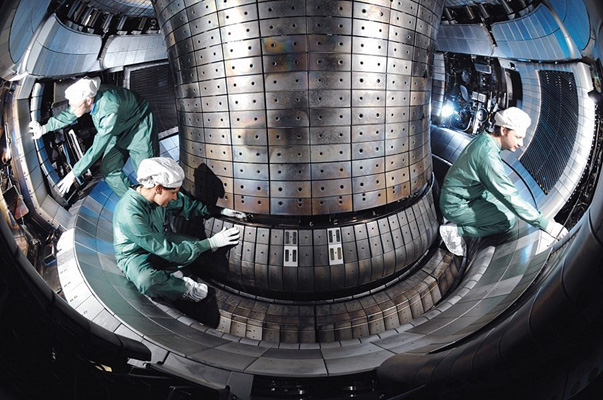 Despite exascale computing still being several years away, SPPEXA scientists are well ahead of the game, developing scalable and efficient algorithms that will make the best use of resources when the new machines finally arrive. SPPEXA drives research towards extreme-scale computing in six areas: computational algorithms, system software, application software, data management and exploration, programming, and software tools.
Some major projects include research on alternative sources of clean energy; stronger, lighter weight steel manufacturing; and unprecedented simulations of the earth’s convective processes:
 Mastering the various challenges related to the paradigm shift from moderately to massively parallel processing will be the key to any future capability computing application at exascale. It will also be crucial for learning how to effectively and efficiently deal with near-future commodity systems smaller-scale or capacity computing tasks. No matter who puts the first machine online, exascale supercomputing is coming. SPPEXA is making sure we are prepared to take full advantage of it.
- Read more about exascale computing:
- Professor Sterling sifts the tea leaves
- How supercomputers are uniting the US and China
